
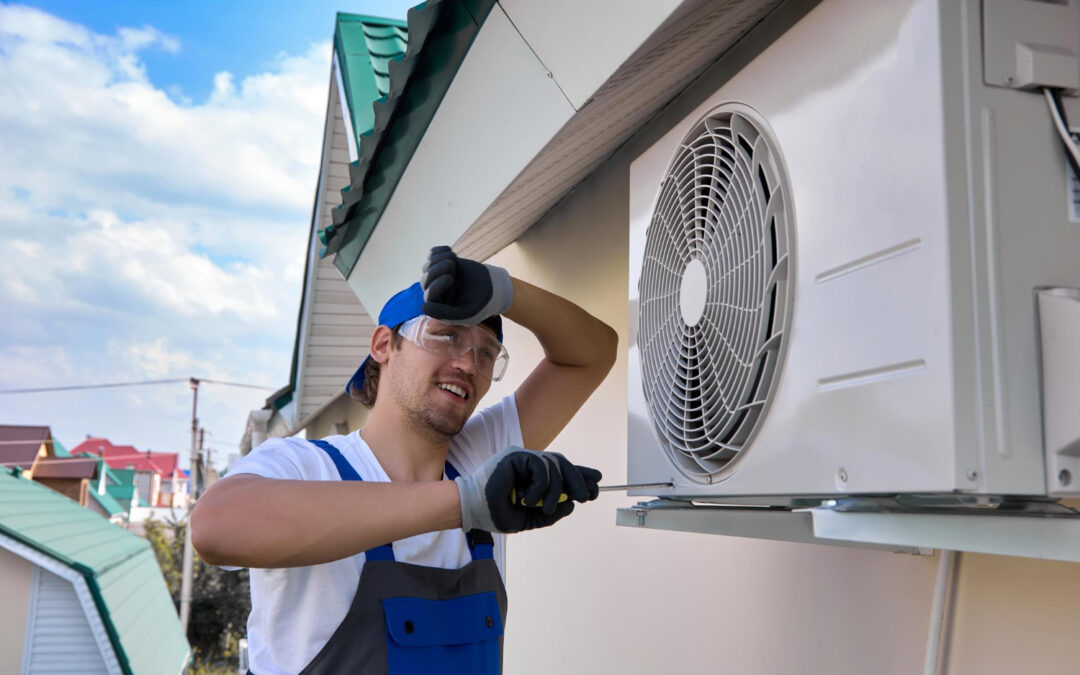
Know Your HVAC Rights Before Dallas Heat Hits
When you rent in Dallas, a working AC is not a luxury; it is how you stay safe and sane in the heat. When the air is thick, the sun is high, and your system quits, you need to know who is supposed to fix what and how fast. That is where understanding tenant and landlord HVAC responsibility can save you stress and surprise bills.
In Texas rentals, the lease usually controls the rules, but there are common patterns. We work with homes and businesses around Dallas every day, so we see how these issues play out. We are not attorneys and this is not legal advice, but we can help you understand what you can safely maintain yourself, what to document, and when it is time to push for repairs from your landlord or property manager.
Who Pays for What in Rental HVAC Repairs
In most Texas rentals, the landlord is expected to provide a working HVAC system that can reasonably cool and heat the space. Tenants are usually expected to treat the system with care and report problems quickly so small issues do not become big ones. The exact details usually live in your lease.
Common landlord responsibilities include things like:
- Supplying a working HVAC system at move-in
- Handling major repairs due to age or normal wear and tear
- Keeping equipment up to current safety standards
- Making sure ventilation is safe and not a fire risk
Common tenant responsibilities often include:
- Simple day-to-day care, like changing filters if the lease says so
- Reporting leaks, odd noises, or performance issues right away
- Not blocking vents or abusing the system
- Avoiding damage from neglect or misuse
Leases often talk about “normal wear and tear” compared to “damage.” A compressor that fails after years of service usually counts as wear and tear, so repair or replacement usually sits with the landlord. A drain line clogged with dust and ignored for months might be called damage, and some landlords try to pass that cost on to the tenant.
Here are a few typical situations:
- AC stops cooling in the middle of summer: if the system itself failed, this usually falls on the landlord, as long as you report it quickly.
- Clogged drain line or iced-up coil from very dirty filters: if you were supposed to change filters and did not, the landlord may try to charge you for part of the repair.
- Blocked return air vent: if furniture or clutter is pushed up against vents and the system is strained, you could be blamed for damage.
The best move is simple: read your lease before anything breaks. If something in the HVAC section is fuzzy, ask your landlord or property manager for clear answers in writing so you have it for later.
Smart Tenant HVAC Maintenance You Can Safely Handle
Tenants are usually allowed and expected to do some light HVAC care. This kind of responsible HVAC maintenance in Dallas rentals helps systems run better and can cut down on emergency repair calls during extreme weather. Always check your lease, but here is what is typically safe.
Basic tasks most tenants can handle:
- Check and change air filters as often as the lease or landlord asks
- Keep supply and return vents free from furniture, curtains, and clutter
- Gently dust or wipe vent covers you can easily reach
- Make sure registers in lived-in rooms are open
Before you contact your landlord or property manager for help, do a few simple checks:
- Look at the thermostat: is it set to “cool,” is the temperature set low enough, and are the batteries fresh?
- Check the breaker panel: see if the HVAC breaker is tripped and reset it once if your lease allows.
- Look for any obvious wall switch near the indoor unit that might have been turned off by accident.
There are also clear safety lines you should not cross:
- Never open sealed panels on indoor or outdoor units
- Do not handle refrigerant lines, gauges, or valves
- Do not climb on a roof or into tight attic spaces unless you are allowed and trained
- Do not mess with wiring, gas lines, or any part inside the air handler or condenser
Anything that needs tools, electrical work, refrigerant, or gas should be done by a licensed HVAC technician, not by tenants.
How to Document HVAC Problems to Protect Yourself
Good documentation can protect your rights and help repairs move faster. When something starts to feel off with your AC or heat, start keeping notes, even if the system has not fully failed yet.
Helpful things to document include:
- Date and time you first noticed the issue
- Indoor temperature and any extreme humidity you feel
- Strange smells, grinding or squealing noises, or weak airflow
- Any water leaks, wet spots, or stains near vents, ceilings, or the air handler
Use your phone to capture:
- Photos or short videos of thermostat settings and the indoor temperature
- Clips of any loud or odd sounds
- Images of frozen coils you can see, dripping drain lines, or water stains
When you contact your landlord or property manager:
- Use email, text, or a maintenance portal that keeps time stamps
- Clearly explain the problem and for how long it has been happening
- List the basic checks you already did, like thermostat settings, filter check, and breaker check
- Note any health or safety concerns, such as extreme heat, trouble sleeping, or mold concerns
If there is no response, follow up in writing and refer to your earlier message. Keep copies of everything, including any reports left by licensed HVAC technicians. Detailed notes and clear photos can help technicians diagnose faster once they arrive.
When to Escalate HVAC Repairs in Extreme Dallas Weather
Sometimes HVAC issues are more than a comfort problem. In Dallas heat, a failed system can turn a rental into a dangerous space, especially for small children, older tenants, or anyone with health conditions.
You should escalate quickly if you notice:
- Total AC loss during a heat wave or any time indoor temps become unsafe
- Strong burning smells, electrical odors, or any visible sparks from HVAC equipment
- Fast water leaks from the air handler or ceiling that could damage property or grow mold
Local weather can be hard on HVAC systems. Long stretches of hot days push equipment to the limit. Storms can send debris into outdoor units or cause electrical surges. After a storm, you can safely look from a distance and see if the outdoor unit looks tilted, blocked, or damaged, then report what you see.
When you speak with your landlord:
- Ask that a licensed, insured HVAC company handle any serious repair
- Request a copy or summary of the technician’s findings if possible
- Ask whether the cause was normal wear, a part failure, or tenant-related misuse
Most landlords want to get urgent HVAC issues fixed as quickly as they can. Even so, you should keep documenting temperatures, symptoms, and all messages until the problem is fully resolved.
Stay Comfortable and Covered with the Right HVAC Support
Staying comfortable in a Dallas rental starts with clear expectations. Landlords are usually responsible for providing a working HVAC system and taking care of major repairs, while tenants are expected to handle basic care and report problems early. Simple steps like filter changes, unblocked vents, and quick checks of thermostats and breakers can go a long way, as long as you stay away from any work that belongs in the hands of a licensed professional.
Good documentation is just as important. When HVAC trouble shows up, write it down, take photos and videos, and send clear, time-stamped messages to your landlord or property manager. If the system fails during extreme weather or you see signs of fire risk or major leaks, escalate right away and keep careful records. When landlords and tenants understand their roles and work with honest, local HVAC pros like our team at Angels Air Home Services, rental properties stay safer, more comfortable, and better protected all year.
Protect Your Comfort With Proactive HVAC Maintenance
If you are ready to prevent breakdowns before they start, our team at Angels Air Home Services is here to help you schedule reliable HVAC maintenance in Dallas tailored to your system and usage. We will inspect, clean, and tune your equipment so it runs efficiently in every season. To set up your appointment or ask questions about your system, simply contact us and we will walk you through the next steps.