
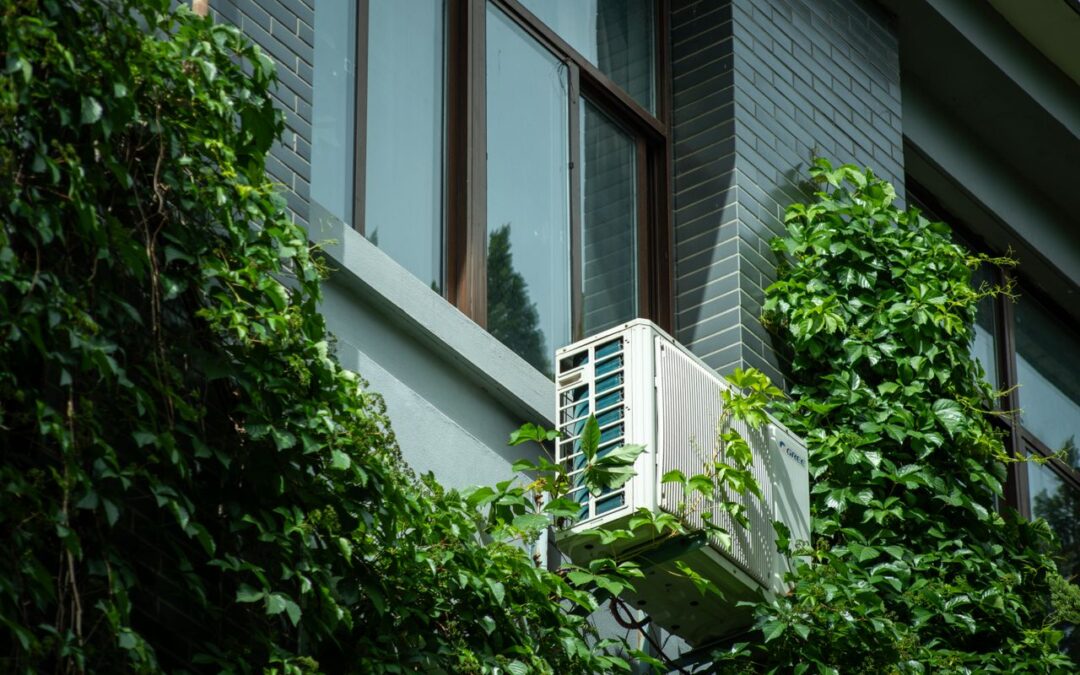
Stop Wasting Money Fighting Dallas Heat Indoors
North Texas heat pushes air conditioners hard, especially late in the summer when it still feels like the middle of July outside. Your system runs longer, your home heats up faster, and any small problem inside your HVAC system gets bigger very quickly. When this happens, the first signs usually show up on your power bill or in how your home feels.
Many Dallas homeowners notice things like higher electric bills, short run cycles, rooms that never feel quite right, or sticky, humid air. It is easy to blame the weather and move on. But these are often early warning signs that your system needs attention before something fails.
Catching these signs early is one of the best ways to avoid breakdowns, keep your home comfortable through late heat waves, and help your equipment last longer. As a local HVAC company in the Dallas area, we focus on honest explanations, airflow solutions, and long-term reliability so families can understand what their systems are telling them.
When Your Power Bill Spikes Without Warning
If your power bill suddenly jumps during a hot stretch, your air conditioner is usually working harder than it should. The heat outside is part of it, but hidden HVAC problems often make things worse.
High electric bills during heavy AC use often point to problems like:
- Dirty coils or clogged filters that choke airflow
- Low refrigerant levels that keep your system from cooling well
- Leaky, loose, or uninsulated ducts in a hot attic
- Aging or inefficient equipment that struggles in long heat waves
Long run times can hide trouble. When it is extremely hot, most systems will run a lot, so it is easy to think a big bill is just normal. One good habit is to compare your bill to the same month from past years, not just the month before. If the weather feels similar but your bill is way higher, that is a red flag.
During maintenance visits on systems with high bills, technicians often find:
- Restricted airflow from dirty filters, packed return grilles, or blocked vents
- Ducts that are crushed, disconnected, or leaking cold air into the attic
- Undersized systems that never quite catch up and run nonstop
- Failing capacitors, weak motors, or worn parts causing inefficient operation
A professional tune-up and duct inspection can clean coils, open up airflow, tighten connections, and balance the system. That helps your air conditioner cool more with less effort, so your power bills level out instead of creeping higher every summer.
Short-Cycling AC Units in Extreme Dallas Heat
Short-cycling is when your AC turns on, runs for a short time, then shuts off, only to start again a few minutes later. During hot Dallas days and warm evenings, this on-off pattern can be very hard on the system.
Common causes of short-cycling include:
- An AC unit that is too large for the home
- A thermostat placed in a hot or cold spot, like near a supply vent or window
- Frozen coils from low airflow or refrigerant issues
- Dirty filters or blocked returns that starve the system for air
Short-cycling is more than just annoying. It usually means:
- Extra wear and tear on compressors and motors
- Higher energy use, since starting up uses a lot of power
- Uneven temperatures and poor comfort in different rooms
- A greater chance of early compressor failure
A licensed technician will look at more than just the thermostat. A proper check includes refrigerant levels, airflow, static pressure, and how the ducts are laid out. If the unit is oversized or poorly matched to the home, the best fix might be properly sized equipment that fits the real load of a Dallas house. In other cases, adjusting settings, fixing airflow, or relocating the thermostat can stop the short-cycling and give smoother, longer run times.
Humidity Problems That Signal Hidden HVAC Issues
When the AC is running but your home still feels sticky or clammy, that is a sign something is off. In our area, common indoor humidity complaints include rooms that feel damp, musty odors, windows fogging up, or a heavy feeling in the air even when the thermostat reads the right temperature.
These humidity problems often point to:
- Oversized AC systems that cool the air quickly but do not run long enough to pull out moisture
- Weak airflow across the coil from dirty filters or duct issues
- Duct leaks or imbalances that bring in humid attic or outdoor air
- Tight, newer homes that trap moisture without enough controlled ventilation
Poor humidity control does more than hurt comfort. It can:
- Make rooms feel warmer than they are
- Raise the risk of mold and mildew growth
- Cause damage to paint, wood, and finishes
- Aggravate allergies and breathing issues
An HVAC professional may recommend several solutions, depending on what they find:
- Correcting duct layout and airflow so air moves properly across the coil
- Cleaning coils and drains so moisture can collect and drain as designed
- Adding whole-home dehumidification for homes that stay too moist
- Adjusting fan speeds and equipment staging so the system dehumidifies better
Fixing humidity is often about getting the details right, not just lowering the thermostat setting.
Airflow Red Flags You Should Never Ignore
Airflow is the backbone of any HVAC system, especially under a long North Texas heat load. If air cannot move where it should, nothing works well. Some common airflow warning signs include:
- Rooms that never cool down, no matter what the thermostat says
- Hot second floors or bonus rooms
- Weak air coming from some vents and strong blasts from others
- Noisy ducts, rattling sounds, or whistling around grilles or doors
In Dallas homes, these often trace back to:
- Crushed or kinked flex ducts in the attic
- Duct runs that are too long or too small for the air they need to carry
- Leaky seams and joints that spill cool air into the attic
- Closed or blocked vents that upset the pressure balance
- Not enough return air pathways for how much air the system is trying to move
Poor airflow connects directly to larger system issues. It can cause higher bills, short-cycling, frozen coils from low air across the indoor coil, and a shorter overall system life. The hotter it is outside, the faster these problems grow.
Precise airflow balancing, duct sealing, and proper air-duct cleaning can restore even temperatures from room to room. That reduces strain on the equipment, helps the system run steadier, and supports cleaner indoor air.
When to Call a Dallas HVAC Pro Before It Fails
The three big early warning signs are hard to miss once you know what to watch for: unexplained electric bill spikes, an AC that turns on and off all the time, and stubborn humidity or airflow problems that never seem to go away. These are your system’s way of asking for help.
A simple rule of thumb is this: if any of these issues lasts more than a few days during heavy AC use, or if they keep coming back every late summer, it is time for professional HVAC maintenance in Dallas. A thorough fall checkup and duct inspection can uncover small issues before winter, lock in efficiency gains, and give you a clear picture of your system’s health so you can plan ahead instead of reacting to emergencies.
Protect Your Comfort With Reliable HVAC Care Today
If you are ready for fewer breakdowns and more consistent indoor comfort, our team is here to help. We provide comprehensive HVAC maintenance in Dallas tailored to your system and space. Reach out today so we can inspect your equipment, spot small issues early, and keep your heating and cooling running efficiently. To schedule service or ask a question, simply contact us and a Angels Air Home Services specialist will follow up with you.