
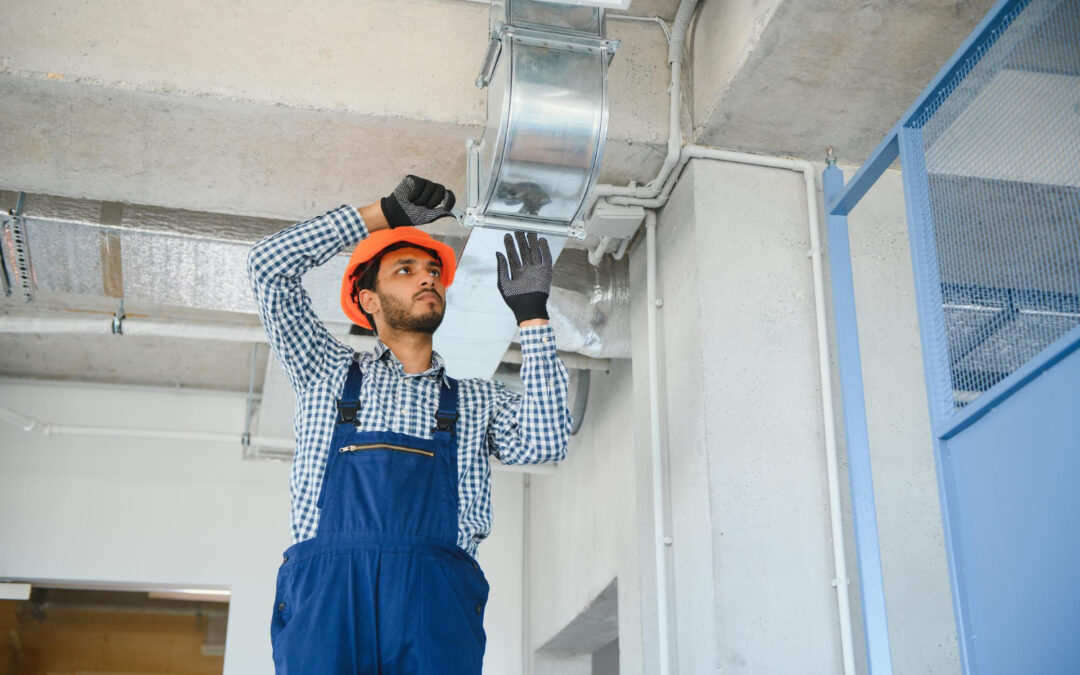
Stop Guessing About Leaky Ducts and Start Knowing
When some rooms in your home feel like a freezer and others feel like an oven, it is usually not your imagination. When your AC seems to run nonstop and your electric bill still jumps, something in the system is not doing its job. Very often, the real trouble is hidden duct leaks, not the AC unit itself.
Guessing based on comfort alone can lead to the wrong fix and wasted money. That is why professional testing matters. With tools like pressure testing, smoke, and thermal imaging, we can move from guessing to knowing what is really going on inside your duct system. When duct repair in Dallas is on the table, these tests show whether repair is actually needed and what kind of repair will help the most.
At Angels Air Home Services, we rely on clear testing and honest explanations before we ever suggest work on your ducts. Our goal is to confirm the problem, not to sell work that does not make sense for your home.
Signs Your Dallas Home May Have Hidden Duct Leaks
You do not have to see your ductwork to suspect something is wrong. Many homeowners notice comfort issues long before they ever think about ducts. Common red flags include:
- Some rooms stay hot while others are chilly
- The AC runs a long time but the house never feels quite right
- Dust builds up fast on furniture and vents
- Whistling, rattling, or flapping sounds near duct runs
- Musty, attic, or garage smells coming from supply vents
Dallas heat puts a lot of stress on cooling systems. When outdoor temperatures climb, even small duct leaks can turn into big comfort problems. Cool air that should reach your living spaces may be spilling into:
- Attics
- Garages
- Crawl spaces
- Wall cavities
That lost air is air you already paid to cool. The result is higher energy bills and rooms that never feel as steady as they should.
These signs are helpful clues, but they are not a final diagnosis. Uneven temperatures or high bills can come from other HVAC issues too. Instead of guessing or agreeing to a big repair based on a hunch, this is the point where professional duct testing is worth scheduling. Testing turns those clues into clear answers.
How Pros Use Pressure Testing to Find Duct Trouble
Pressure testing is one of the main tools we use to measure how leaky a duct system really is. The process sounds more complicated than it feels from the homeowner side.
Here is what typically happens during a duct pressure test:
- We temporarily seal off supply and return vents
- A calibrated fan, often called a duct blaster, is attached to the system
- The fan gently pressurizes or depressurizes the ducts
- A gauge measures how much airflow is needed to hold that pressure
If air is escaping through leaks, the fan has to work harder to keep the pressure steady. That airflow number tells us how leaky the ducts are overall. We often talk about two main ideas:
- Total leakage: how much air is leaking anywhere in the duct system
- Leakage to outdoors: how much of that leakage is going to unconditioned spaces, like attics
Those numbers are compared to common industry targets. Newer, high-efficiency systems are usually more sensitive to duct leakage, because they are designed to move air in a more controlled way. Leaky ducts can make them feel weaker or less consistent.
Pressure testing does not tell us the exact leak locations, but it shows how big the problem is. If the leakage is on the low side, targeted sealing and tightening is often enough. If the numbers are very high, it may point to crushed ducts, large gaps, or even disconnected sections.
We use these test results to focus repairs where they will give you the best comfort and efficiency improvement. The goal is to fix what truly matters, not to push full duct replacement when sealing and repair are a better fit.
Smoke Testing and Thermal Imaging: Seeing Leaks in Real Time
Once pressure testing shows that leaks exist, the next step is often finding where they are. That is where smoke and thermal imaging come in.
Smoke testing uses a harmless tracer smoke that travels through the ducts. We gently feed this smoke into the system while it is under slight pressure. As it moves, we look along the duct runs, especially in areas like:
- Attics
- Tight chases
- Around boots and registers
- Flex duct connections and joints
Wherever the smoke puffs out, there is a leak. It is simple, visual, and very helpful in tight spaces where it is hard to see seams and joints clearly.
Thermal imaging adds another layer. A thermal camera reads temperature differences on surfaces. When ducts run through hot attics or inside walls, leaking or poorly insulated sections can show up as streaks or spots that are cooler or warmer than the surrounding areas. Around supply registers and along ceiling lines, the camera can reveal patterns that point to:
- Duct runs buried in attic insulation
- Gaps around boots where attic air gets pulled in
- Sections of duct with missing or damaged insulation
For Dallas homes, these tools are especially useful, because attic heat can be intense. Thermal imaging can help confirm if that heat is overwhelming unsealed duct runs.
When we combine pressure-test data with smoke and thermal images, we get a full picture. We see how much the system leaks, exactly where it leaks, and how those leaks affect comfort, indoor air quality, and energy use.
Turning Test Results Into Smart Duct Repair Decisions
After testing, you should never be handed a confusing report and left to guess what it means. A good duct evaluation should end with a clear, plain-language review of what we found.
You can expect things like:
- A walkthrough of test numbers and what they mean for your home
- Photos or thermal images showing key problem areas
- A list of issues ranked by importance: what must be fixed versus what is more of an upgrade
Common repair steps that come out of a duct test may include:
- Sealing accessible joints and seams with proper materials
- Repairing or replacing damaged or crushed flex duct
- Reattaching or resizing disconnected runs
- Adding or repairing duct insulation in hot areas
- Adjusting or adding dampers to balance airflow between rooms
We always encourage cost-benefit thinking. Fixing moderate leaks before peak summer or winter can often improve comfort and lower bills more than changing equipment alone, especially if your AC and furnace are still in decent shape. Tight ducts help your existing system do its job better and can reduce wear on the equipment.
At Angels Air Home Services, our approach is simple. We test first, explain clearly, and then recommend duct repair in Dallas that fits the age and layout of your home, as well as your goals and budget. No scare tactics, no upselling, just honest guidance based on what the tests actually show.
Get Started With Your Project Today
If your energy bills are climbing or some rooms never feel quite comfortable, it may be time to schedule professional duct repair in Dallas. At Angels Air Home Services, we carefully inspect your ductwork, explain what we find, and recommend only the repairs you actually need. We work around your schedule to restore comfort and efficiency with as little disruption as possible. Have questions or ready to book an appointment now? Just contact us and we will help you get started.