
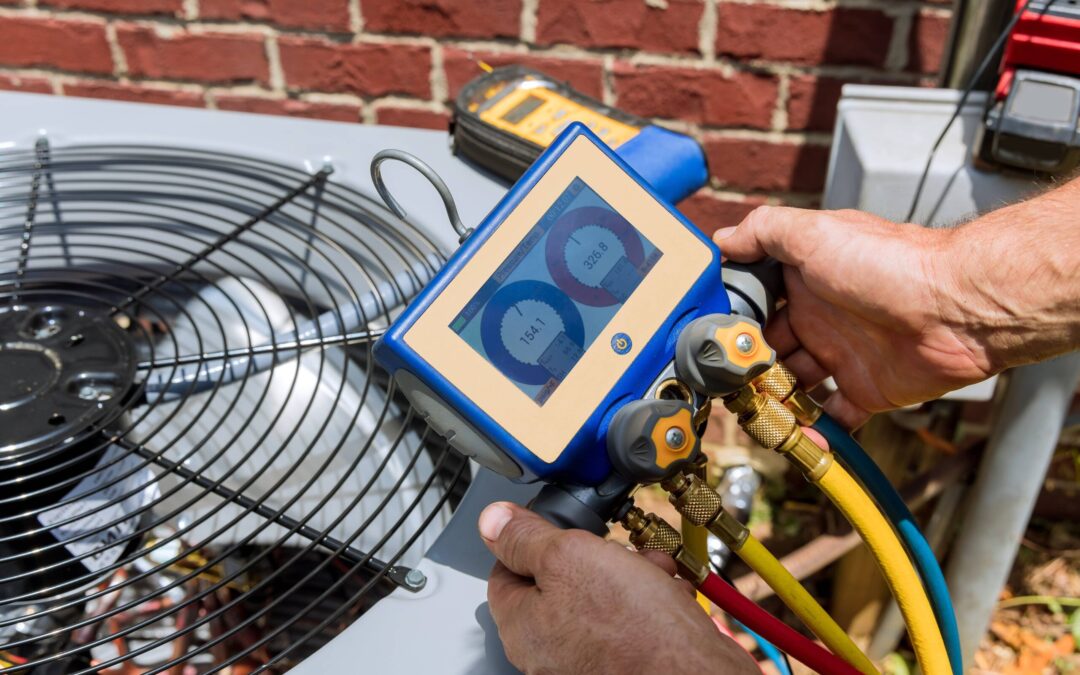
There is nothing more frustrating than hearing your air conditioner running while your home continues to feel warm. The thermostat is set correctly, the system appears to be working, and air is flowing through the vents, yet the temperature refuses to drop. This is one of the most common HVAC issues homeowners experience, especially during the hottest months of the year. While some problems have simple solutions, others require the expertise of a qualified HVAC Contractor to diagnose the cause and restore your system’s cooling performance efficiently.
An air conditioner that runs without cooling does not always indicate a major system failure. In many cases, the cause can be something simple, such as a dirty air filter or an incorrect thermostat setting. However, more serious problems like refrigerant leaks, frozen evaporator coils, or compressor issues may also prevent your system from cooling properly.
Understanding the possible causes can help you determine whether the issue can be resolved with basic maintenance or whether it is time to contact a professional HVAC technician.
How Your Air Conditioner Cools Your Home
Before troubleshooting the problem, it helps to understand how an air conditioner works.
Your air conditioning system removes heat from inside your home and transfers it outdoors. Warm indoor air passes over the evaporator coil, where refrigerant absorbs the heat. The cooled air is then circulated back into your home through the ductwork, while the absorbed heat is released outside through the condenser unit.
Several components must work together for this process to happen efficiently, including:
- Thermostat
- Air filter
- Blower motor
- Evaporator coil
- Refrigerant
- Compressor
- Condenser coil
- Air ducts
If any of these components are not functioning correctly, your system may continue running without producing cool air.
Dirty Air Filters Restrict Airflow
One of the easiest problems to overlook is a dirty air filter.
Over time, filters collect dust, pet hair, pollen, and other airborne particles. As the filter becomes clogged, airflow through the system decreases. Reduced airflow prevents the evaporator coil from absorbing heat efficiently, forcing the system to work harder while cooling less effectively.
Signs of a dirty air filter include:
- Weak airflow from vents
- Rooms taking longer to cool
- Higher electricity bills
- Dust around supply registers
- Ice forming on the indoor unit
Replacing your air filter every one to three months is one of the simplest ways to improve HVAC performance and reduce unnecessary wear on the system.
Check Your Thermostat Settings
Sometimes the problem is not with the air conditioner at all.
Before assuming your HVAC system needs repairs, verify that your thermostat is operating correctly.
Make sure:
- The thermostat is set to Cool
- The temperature is lower than the current indoor temperature
- The fan is set to Auto instead of On
- The batteries are working if your thermostat uses them
If the fan is set to “On,” the blower continues circulating air even when the compressor is not cooling. This often causes homeowners to think the system has stopped working when it is actually blowing room-temperature air.
Low Refrigerant Levels
Refrigerant is responsible for absorbing heat from inside your home.
Unlike gasoline in a vehicle, refrigerant is not consumed during normal operation. If refrigerant levels are low, your system almost certainly has a leak.
Common symptoms include:
- Warm air from vents
- Ice on refrigerant lines
- Frozen evaporator coils
- Long cooling cycles
- Hissing sounds
- Bubbling noises near refrigerant tubing
Only licensed HVAC professionals should repair refrigerant leaks and recharge the system.
Frozen Evaporator Coils
Frozen evaporator coils are another common reason an air conditioner runs without cooling.
When airflow is restricted or refrigerant levels are low, moisture on the coil freezes into ice. As more ice develops, the coil loses its ability to absorb heat.
Possible causes include:
- Dirty air filter
- Blocked vents
- Refrigerant leak
- Dirty evaporator coil
- Faulty blower motor
If you notice ice on your indoor unit, switch the air conditioner off and allow the ice to melt before scheduling professional service.
Dirty Outdoor Condenser Coils
Your outdoor condenser unit releases the heat collected from inside your home.
If the condenser becomes covered with dirt, leaves, grass clippings, or other debris, heat cannot escape efficiently.
As a result, your air conditioner must work harder while delivering less cooling.
To keep the condenser operating properly:
- Remove leaves and debris regularly.
- Trim shrubs at least two feet away.
- Gently rinse the coils with a garden hose.
- Never stack storage items against the outdoor unit.
Annual professional cleaning helps maintain maximum efficiency.
Blocked Air Vents
Sometimes the problem is not the HVAC equipment but restricted airflow inside your home.
Furniture, curtains, rugs, or closed vents can reduce the amount of cool air reaching each room.
Walk through your home and check that:
- Every supply vent is open.
- Furniture is not blocking airflow.
- Return vents are unobstructed.
- Registers are free from dust buildup.
Proper airflow allows your system to cool every room more evenly.
Leaking Air Ducts
Even if your air conditioner is producing cold air, damaged ductwork can allow conditioned air to escape before it reaches your living spaces.
Duct leaks commonly develop in attics, crawl spaces, garages, and other unconditioned areas.
Signs of leaking ducts include:
- Uneven temperatures
- Weak airflow
- High utility bills
- Excess dust
- Rooms that never seem comfortable
Professional duct sealing improves efficiency and helps your air conditioner cool more effectively.
Electrical Component Problems
Air conditioning systems rely on several electrical components to operate properly.
A failed capacitor, damaged contactor, blown fuse, or loose electrical connection may prevent the outdoor unit from running even though the indoor blower continues circulating air.
Warning signs include:
- Clicking sounds
- Buzzing noises
- Outdoor fan not spinning
- Circuit breaker trips
- Airflow without cooling
Electrical repairs should always be handled by trained HVAC technicians.
Compressor Failure
The compressor is one of the most important components of your air conditioning system.
It pumps refrigerant between the indoor and outdoor units, allowing heat to be removed from your home.
When the compressor begins failing, cooling performance declines dramatically.
Common symptoms include:
- Warm air from vents
- Loud humming
- Clicking noises
- Frequent breaker trips
- Constant operation
- Poor cooling
Compressor problems require professional diagnosis and repair.
Clogged Condensate Drain Line
Your air conditioner removes moisture from indoor air as it cools your home.
This moisture drains away through a condensate line. Over time, algae, dirt, and debris can clog the drain.
Many modern systems automatically shut down cooling functions when the drain becomes blocked to prevent water damage.
Signs include:
- Water around the indoor unit
- Musty odours
- Overflowing drain pan
- System shutting down unexpectedly
Routine maintenance helps keep condensate drains clear.
An Air Conditioner That Is Too Small
If your air conditioner is undersized for your home, it may run continuously without ever reaching the thermostat setting.
An undersized system often experiences:
- Long cooling cycles
- Higher electricity bills
- Uneven temperatures
- Constant operation during hot afternoons
Proper HVAC sizing considers several factors, including:
- Square footage
- Ceiling height
- Insulation levels
- Window placement
- Sun exposure
- Local climate
A professional load calculation determines the correct equipment size for your home.
Excess Heat Inside the Home
Sometimes your air conditioner is functioning correctly but cannot keep up with the amount of heat entering your home.
Factors that increase indoor heat include:
- Large west-facing windows
- Poor attic insulation
- Air leaks around doors and windows
- Cooking during the hottest part of the day
- Heat-producing appliances
Reducing heat gain helps your air conditioner operate more efficiently.
Aging HVAC Equipment
Most central air conditioning systems last between 10 and 15 years with proper maintenance.
As equipment ages, components wear out, efficiency declines, and breakdowns become more frequent.
Signs your system may be nearing the end of its lifespan include:
- Frequent repairs
- Rising utility bills
- Uneven cooling
- Poor humidity control
- Constant operation
- Expensive replacement parts
If your air conditioner is older and requires frequent repairs, replacing it with a high-efficiency system may save money over time.
Simple Troubleshooting Steps Before Calling a Professional
Before scheduling HVAC service, there are several things homeowners can safely check.
Start by replacing the air filter if it appears dirty. Verify that the thermostat is set to cooling mode and that the desired temperature is below the current indoor temperature. Check your electrical panel to make sure the breakers for both the indoor and outdoor units have not tripped.
Next, inspect the outdoor condenser. Remove leaves, grass clippings, and other debris that may be restricting airflow. Make sure every supply and return vent inside the home remains open and free from furniture or other obstructions.
If the system still is not cooling after these checks, professional service is recommended.
The Importance of Regular HVAC Maintenance
Many cooling problems can be prevented through routine maintenance.
During a professional maintenance visit, technicians typically inspect every major component of the system, including refrigerant levels, electrical connections, blower performance, condensate drains, thermostat operation, evaporator coils, condenser coils, and airflow.
Routine maintenance provides several benefits:
- Improved cooling efficiency
- Lower energy bills
- Fewer unexpected breakdowns
- Longer equipment lifespan
- Better indoor comfort
- Improved indoor air quality
Scheduling annual maintenance before summer begins helps ensure your system is ready for the hottest days of the year.
When Should You Call an HVAC Technician?
Some issues require professional attention immediately.
Contact an HVAC technician if you notice:
- Warm air blowing from vents
- Ice on refrigerant lines
- Refrigerant leaks
- Burning smells
- Water leaking around the indoor unit
- Loud or unusual noises
- Weak airflow throughout the home
- Frequent breaker trips
- Short cycling
- High energy bills with poor cooling performance
Prompt repairs often prevent minor issues from becoming costly system failures.
Frequently Asked Questions
Why is my air conditioner running but not lowering the temperature?
Several issues can cause this problem, including dirty air filters, low refrigerant, frozen evaporator coils, blocked vents, dirty condenser coils, thermostat problems, or compressor failure. A professional inspection can identify the exact cause.
Can a dirty air filter stop my AC from cooling?
Yes. A clogged air filter restricts airflow, making it difficult for your system to remove heat from your home. In severe cases, it can also cause the evaporator coil to freeze.
Is it safe to keep running my AC if it is not cooling?
It is generally best to turn the system off if it continues running without cooling, especially if you notice ice forming on the indoor unit or refrigerant lines. Continuing to operate the system may lead to additional damage.
How often should I replace my air filter?
Most homeowners should replace the air filter every one to three months. Homes with pets, allergies, or heavy system use may require more frequent replacement.
How often should my air conditioner be serviced?
Professional HVAC maintenance should be scheduled at least once each year, ideally before the cooling season begins.
Final Thoughts
When your air conditioner is running but not cooling, the problem may be something as simple as a clogged air filter or something more complex, such as a refrigerant leak or compressor failure. While homeowners can perform a few basic troubleshooting steps, many cooling issues require professional diagnosis to ensure the system is repaired safely and correctly.
Ignoring poor cooling performance can lead to higher energy bills, increased wear on your equipment, and more expensive repairs in the future. Addressing problems early helps restore comfort and protects the long-term performance of your HVAC system.
If your air conditioner is struggling to keep your home cool, the experienced team at Angels Air Home Services provides professional air conditioning inspections, repairs, maintenance, and system replacements throughout the DFW Metroplex. Whether the issue is minor or more complex, prompt service can help restore reliable cooling and keep your home comfortable all summer long.