
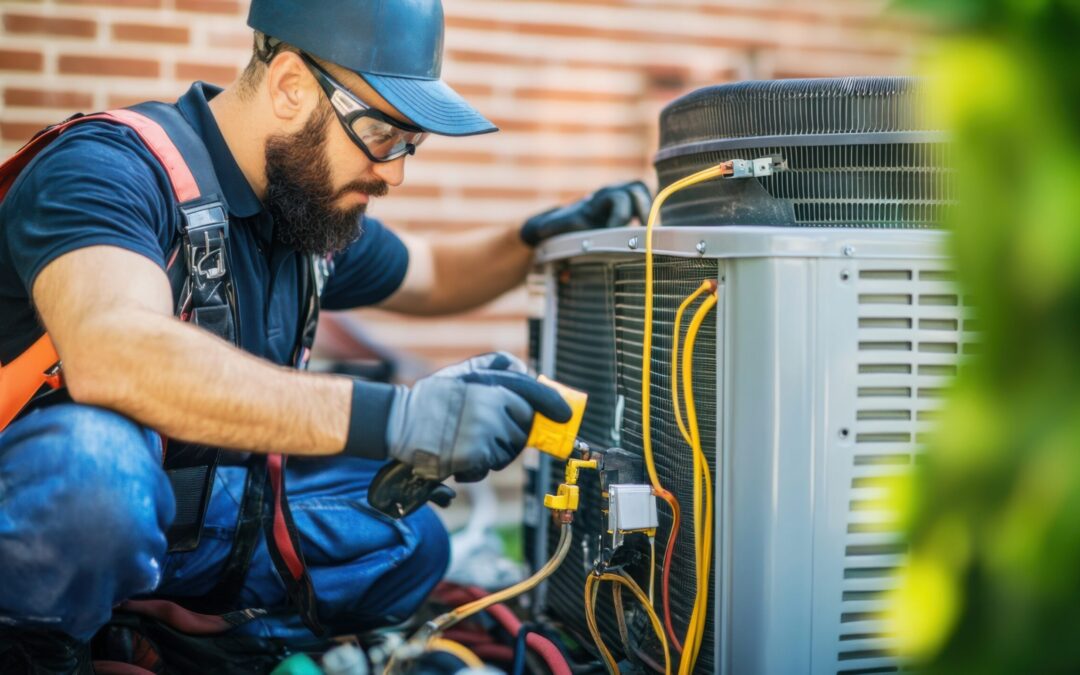
Routine HVAC maintenance helps DFW homeowners and businesses save money on energy bills, reduce the risk of unexpected breakdowns, extend the lifespan of their heating and cooling systems, improve indoor air quality, and maintain reliable comfort throughout the year. Because HVAC systems in North Texas operate under extreme temperatures for much of the year, preventative maintenance is one of the most cost-effective ways to keep equipment running efficiently and avoid expensive repairs.
Whether you own a home or manage a commercial property, your HVAC system is one of the hardest-working systems in your building. The Dallas-Fort Worth Metroplex experiences long, hot summers, occasional freezing temperatures, and frequent weather changes that place constant demand on heating and cooling equipment. Without regular inspections and tune-ups, your system can lose efficiency, develop hidden issues, and eventually fail when you need it most. Staying proactive with routine maintenance can also reduce the likelihood of needing unexpected AC Repair Services in North Texas, especially during periods of extreme heat when HVAC systems are under the greatest strain.
Routine HVAC maintenance is a proactive approach that keeps your system operating at peak performance. During a professional maintenance visit, technicians inspect critical components, clean the system, replace or recommend new air filters, test safety controls, and identify minor problems before they become major repairs. This not only helps improve system reliability but also protects your investment and creates a healthier, more comfortable indoor environment.
In this guide, we’ll explain the key benefits of routine HVAC maintenance and why it’s an essential part of protecting homes and businesses across the DFW Metroplex.
Why HVAC Systems Work Harder in North Texas
The Dallas-Fort Worth area experiences long periods of extreme heat, with air conditioning systems often operating for months at a time. Winter temperatures may not stay below freezing for extended periods, but sudden cold fronts require heating systems to perform efficiently with little warning. Over time, this constant workload can increase wear on HVAC equipment, making regular maintenance essential to help extend its lifespan and reduce the need for premature AC Replacement Services in North Texas.
Frequent temperature swings mean HVAC equipment rarely gets an extended break. Dust, pollen, humidity, and airborne debris also accumulate inside system components, reducing performance over time. Without regular inspections and cleaning, these conditions accelerate wear on critical parts and increase the likelihood of unexpected breakdowns during peak seasons.
Lower Energy Bills Through Improved Efficiency
One of the biggest benefits of routine HVAC maintenance is improved energy efficiency.
As dirt builds up on evaporator coils, condenser coils, air filters, and blower components, airflow becomes restricted. Your system must work longer to maintain the desired indoor temperature, increasing electricity consumption.
Professional maintenance helps restore your HVAC system’s efficiency by:
- Cleaning coils
- Replacing or cleaning filters
- Checking refrigerant levels
- Calibrating thermostats
- Lubricating moving components
- Inspecting electrical connections
- Testing system performance
When every component operates correctly, the system requires less energy to cool or heat your building.
For both homeowners and businesses, this often translates into noticeably lower monthly utility bills, especially during the hottest months of the year.
Reduce the Risk of Unexpected Breakdowns
Few situations are more frustrating than an air conditioner failing during a Texas heatwave.
Most HVAC failures don’t happen without warning. Small problems often develop gradually before becoming major repairs.
Routine maintenance allows technicians to identify issues such as:
- Worn capacitors
- Weak contactors
- Loose electrical wiring
- Refrigerant leaks
- Dirty coils
- Failing motors
- Drain line blockages
Addressing these problems early usually costs significantly less than emergency repairs or complete system replacements.
Preventative maintenance also reduces the likelihood of inconvenient service interruptions for businesses that rely on climate control to keep operations running smoothly.
Extend the Life of Your HVAC Equipment
Replacing an HVAC system represents a major investment.
The average heating and cooling system is designed to last many years, but its lifespan depends heavily on how well it is maintained.
Without regular service, excessive wear develops because components must work harder than intended. Dirty filters, restricted airflow, overheating motors, and neglected moving parts accelerate system deterioration.
Routine maintenance minimizes unnecessary stress, helping your equipment reach or even exceed its expected service life.
Extending your HVAC system’s lifespan delays costly replacement expenses while maximizing your return on investment.
Improve Indoor Air Quality
Your HVAC system does more than regulate temperature.
It continuously circulates indoor air throughout your home or commercial building.
Over time, dust, pollen, pet dander, mold spores, and other airborne contaminants accumulate inside filters, ductwork, and HVAC components.
Routine maintenance helps improve indoor air quality by:
- Replacing dirty filters
- Cleaning coils
- Removing accumulated debris
- Inspecting drain systems
- Identifying mold or moisture issues
Cleaner indoor air contributes to a healthier environment for families, employees, customers, and visitors.
This is especially valuable for individuals who suffer from allergies, asthma, or other respiratory conditions.
Maintain Consistent Comfort
An HVAC system that receives regular maintenance performs more consistently.
Instead of experiencing uneven temperatures, weak airflow, or rooms that never seem comfortable, properly maintained systems distribute conditioned air more effectively throughout the building.
Professional tune-ups help ensure:
- Balanced airflow
- Accurate thermostat operation
- Proper humidity control
- Faster cooling and heating cycles
- Stable indoor temperatures
Consistent comfort improves quality of life at home while creating a more pleasant environment for employees and customers in commercial spaces.
Protect Your Business Operations
Commercial HVAC systems play an essential role in daily business operations.
Restaurants, retail stores, offices, medical facilities, warehouses, and professional buildings all rely on dependable climate control.
Unexpected HVAC failures can lead to:
- Employee discomfort
- Reduced productivity
- Customer complaints
- Equipment overheating
- Inventory damage
- Lost revenue
Routine maintenance helps businesses minimize downtime while ensuring heating and cooling systems remain reliable throughout the year.
Preventative service is far less disruptive than emergency repairs during business hours.
Detect Safety Issues Early
Routine HVAC maintenance isn’t just about comfort.
It’s also an important safety measure.
Professional inspections can identify potentially dangerous issues such as:
- Gas leaks
- Cracked heat exchangers
- Carbon monoxide risks
- Electrical hazards
- Loose wiring
- Faulty safety controls
These problems may not always produce obvious symptoms until they become serious.
Early detection protects your family, employees, customers, and property while preventing more expensive damage.
Maintain Manufacturer Warranty Coverage
Many HVAC manufacturers require routine professional maintenance to keep warranty coverage valid.
If major components fail during the warranty period, maintenance records may be required before warranty claims are approved.
Skipping regular service could leave property owners responsible for repair costs that otherwise would have been covered.
Keeping scheduled maintenance appointments helps protect your investment while preserving warranty eligibility.
Improve System Reliability During Peak Seasons
HVAC companies throughout the DFW Metroplex experience their highest service demand during extreme weather.
During summer heatwaves, appointment availability often becomes limited because emergency repair calls increase dramatically.
Routine maintenance performed before peak cooling and heating seasons helps identify problems before they become emergencies.
Scheduling preventative service during spring and fall allows technicians to prepare your system before heavy usage begins.
Prevent Costly Emergency Repairs
Emergency HVAC repairs often involve:
- After-hours service
- Weekend appointments
- Holiday scheduling
- Temporary cooling solutions
- Major component replacement
These situations frequently cost much more than routine maintenance.
Preventative inspections significantly reduce the likelihood of catastrophic failures by identifying worn parts before they fail completely.
Spending a small amount annually on maintenance can help avoid thousands of dollars in unexpected repair costs over the life of your HVAC system.
Better Humidity Control
Humidity is a common concern throughout North Texas.
An improperly maintained HVAC system may struggle to remove excess moisture from indoor air.
High humidity can create:
- Sticky indoor conditions
- Mold growth
- Musty odors
- Reduced comfort
- Increased strain on cooling equipment
Routine maintenance ensures the evaporator coil, condensate drain, and airflow remain functioning properly, allowing your air conditioning system to effectively control indoor humidity levels.
Increase Property Value
Whether you plan to sell your home or lease commercial property, a well-maintained HVAC system adds value.
Potential buyers and tenants appreciate knowing that heating and cooling equipment has been professionally serviced and cared for.
Maintenance records demonstrate responsible ownership and may reduce concerns about future repair expenses.
This can become a selling advantage in competitive real estate markets.
Environmental Benefits
Efficient HVAC systems consume less electricity.
Lower energy consumption reduces overall environmental impact while decreasing greenhouse gas emissions associated with power generation.
Routine maintenance also helps technicians detect refrigerant leaks early, preventing unnecessary environmental harm and ensuring systems operate according to manufacturer specifications.
Small improvements in efficiency across thousands of homes and businesses contribute to significant energy savings over time.
What Happens During a Professional HVAC Maintenance Visit?
A comprehensive HVAC maintenance appointment typically includes a detailed inspection and performance evaluation of the entire system.
Technicians commonly perform services such as:
- Inspecting electrical components
- Tightening electrical connections
- Measuring system performance
- Cleaning condenser and evaporator coils
- Checking refrigerant pressure
- Inspecting duct connections
- Cleaning condensate drains
- Testing thermostat calibration
- Inspecting blower motors
- Lubricating moving parts
- Replacing air filters if needed
- Checking safety controls
- Evaluating airflow throughout the system
The goal is to identify minor concerns before they develop into expensive repairs while optimizing overall system efficiency.
How Often Should HVAC Maintenance Be Scheduled?
Most residential HVAC systems benefit from professional maintenance twice each year.
Spring maintenance prepares air conditioning systems before summer temperatures arrive.
Fall maintenance ensures heating systems are ready before colder weather begins.
Commercial systems often require more frequent service because they typically operate longer hours and experience heavier usage.
Your HVAC contractor can recommend an appropriate maintenance schedule based on your equipment, property size, and operational demands.
Invest in Long-Term Comfort and Reliability
Routine HVAC maintenance is one of the most effective ways to protect your heating and cooling investment. From lower utility bills and improved indoor air quality to fewer breakdowns and a longer equipment lifespan, preventative service delivers lasting value for both homeowners and business owners.
In a region like the Dallas-Fort Worth Metroplex, where HVAC systems operate under demanding conditions for much of the year, staying proactive is far more cost-effective than waiting for problems to arise.
If you’re looking for trusted HVAC professionals, Angels Air Home Services provides professional maintenance, repairs, and system inspections to help keep your HVAC equipment operating at peak performance year-round. To learn more about our HVAC services in the DFW Metroplex, explore our comprehensive heating, cooling, and indoor air quality solutions designed for both homes and businesses. Scheduling routine maintenance today can help you enjoy greater comfort, improved efficiency, and dependable heating and cooling when you need it most.
Frequently Asked Questions
How often should an HVAC system be serviced?
Most residential HVAC systems should be professionally serviced twice a year, once in the spring before the cooling season and once in the fall before the heating season. Commercial HVAC systems may require more frequent maintenance depending on usage, building size, and the type of equipment installed.
Does routine HVAC maintenance really save money?
Yes. Regular HVAC maintenance helps improve energy efficiency, reduces wear and tear on system components, and identifies small issues before they become expensive repairs. A well-maintained system also consumes less energy, which can help lower monthly utility bills.
What is included in an HVAC maintenance visit?
A typical maintenance appointment includes inspecting electrical connections, checking refrigerant levels, cleaning coils, replacing or cleaning air filters, testing the thermostat, inspecting the condensate drain, lubricating moving parts, checking system performance, and ensuring all safety controls are functioning properly.
Can HVAC maintenance help improve indoor air quality?
Absolutely. Routine maintenance removes dirt, dust, pollen, and other contaminants that build up within your HVAC system. Replacing air filters and cleaning system components helps improve indoor air quality, creating a healthier environment for your home or business.
How long does an HVAC maintenance appointment take?
Most residential HVAC maintenance visits take between one and two hours, depending on the condition and complexity of the system. Larger commercial systems may require additional time for a complete inspection and service.
Will regular maintenance extend the life of my HVAC system?
Yes. Preventative maintenance reduces strain on your heating and cooling equipment, helping components operate efficiently and minimizing unnecessary wear. With proper care, many HVAC systems can reach or even exceed their expected lifespan.
Is HVAC maintenance necessary if my system seems to be working fine?
Yes. Many HVAC problems develop gradually and don’t show obvious symptoms until they become serious. Routine maintenance allows technicians to identify hidden issues early, reducing the risk of unexpected breakdowns and costly emergency repairs.
When is the best time to schedule HVAC maintenance in the DFW Metroplex?
The best times are during the spring before temperatures begin to rise and in the fall before cooler weather arrives. Scheduling maintenance before peak heating and cooling seasons helps ensure your system is ready for increased demand and reduces the likelihood of in-season breakdowns.