
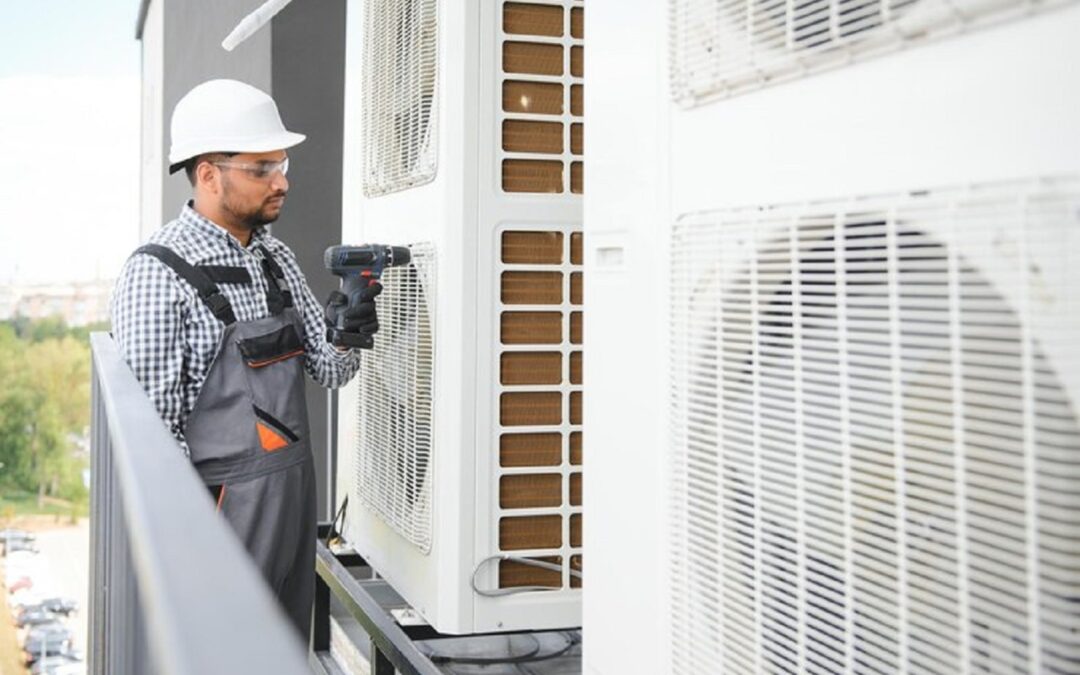
Stop Sweating in July: Why HVAC Size and Airflow Matter
When your AC cannot keep up with a Dallas July afternoon, it is tempting to think the answer is always a bigger unit. But a system that is too large for your home can actually make you feel hotter, stickier, and more frustrated. The secret is not just size; it is how the system moves air through your home.
In our hot, sunny climate, the right HVAC installation in Dallas has to handle long cooling seasons, strong sun on west-facing rooms, and plenty of humidity in the air. That takes careful planning. System size, ductwork design, and airflow all work together. When they are matched to your home, you get steady comfort, better air quality, and equipment that lasts longer.
Many homes in fast-growing neighborhoods end up with oversized HVAC systems. Builders or installers may guess based on square footage only or think bigger is safer. What really matters is how your home gains and holds heat, and how air travels through ducts to every room. Get that wrong and you pay for it every single month.
Hidden Dangers of an Oversized HVAC System
An oversized system sounds powerful, but it usually feels pretty bad to live with. The most common comfort complaint is short cycling. The system kicks on, blasts cold air for a few minutes, then shuts off. The thermostat may hit the set temperature, but the air still feels heavy and sticky.
That happens because the system has not run long enough to pull moisture out of the air. So you end up with:
- Clammy rooms where skin feels damp
- Big swings in temperature instead of steady cooling
- Hot and cold spots from room to room
Oversizing also hurts your wallet over time. Frequent starts and stops are harder on motors and other parts. The system often:
- Uses more energy per hour of real comfort
- Runs louder as it ramps up and down all day
- Wears out faster and may need major repairs sooner
Indoor air quality can suffer too. Your air only passes through the filter when the system is running. If run time is short, there is less filtration. Dust and allergens stay in the air longer. In some homes, quick bursts of cold air can also leave cool surfaces inside ducts. When humid air hits those cool spots, it can lead to condensation and moisture problems that no one wants hidden above the ceiling.
How Proper Airflow Design Prevents Oversizing
The best way to avoid an oversized system is to design for airflow first. That starts with professional calculations instead of guesswork. A load calculation, often called Manual J, looks at how your home gains heat. It considers size, insulation, window type, shade, and how the sun hits your house through the day.
Once we know how much cooling your home truly needs, we match that with duct design. A duct design method, often called Manual D, plans:
- Duct size and length for each run
- Number and placement of supply vents
- Size and location of return vents
When ducts are laid out and sized correctly, a right-sized system can do a better job than a bigger unit blowing into bad ductwork. Proper airflow design lets every room get the air it needs. No more freezing in one bedroom while another never cools down.
Balanced supply and return airflow also matters. If the system pushes more air into a room than it can pull back, that room can become pressurized and push conditioned air out through gaps. If it pulls more air out than it supplies, it can pull hot attic air or outdoor air into the home through cracks. Good airflow design helps reduce drafts, noise, and pressure problems that make your home feel uncomfortable even when the AC is running.
What Quality HVAC Installation in Dallas Should Include
A quality HVAC installation in Dallas starts long before the new unit arrives. A good installer will take time to study your home, not just the old equipment tag. A thorough pre-install assessment often includes:
- Measuring total square footage and ceiling heights
- Checking insulation levels in the attic and walls where possible
- Looking at window type, shading, and which walls get the most sun
- Inspecting existing ducts for size, layout, and condition
In our climate, we pay special attention to how your home handles long days of strong sun and high humidity. The system needs to cool and dehumidify without constant cycling. That includes proper thermostat placement where it can sense average room conditions, not direct sunlight or a drafty hallway.
After installation, testing is just as important as planning. That can include:
- Static pressure checks to see how hard the system is working to move air
- Airflow checks at vents to confirm each room is getting its share
- Verifying the system starts, runs, and shuts off smoothly
For mid-summer installs, we also want to be sure the system is ready to handle peak cooling loads and manage humidity. At the same time, the setup should still be efficient during milder seasons when the system runs at lower loads.
Smart Air Duct Choices That Boost System Performance
Ductwork is like the highway system for your HVAC. Even the best unit will struggle if the ducts are too small, leaky, or blocked. Poor ducts can make a right-sized system feel weak, and that is when some contractors try to solve airflow issues by oversizing the equipment instead of fixing the real problem.
Clean, correctly sized, and well-sealed ducts help:
- Keep air pressure in the right range
- Deliver steady airflow to every room
- Cut down on noise and whistling vents
There are times when duct cleaning makes good sense, such as:
- Heavy dust blowing from vents
- Debris left behind after home projects
- Visible buildup inside grilles
- Rooms with weak airflow even after other fixes
Upgrades can also make a big difference in comfort without touching equipment size. Helpful duct improvements might include better duct insulation in hot attic spaces, adding return vents in rooms that feel stuffy, or straightening and supporting crushed or kinked flex ducts so air can move freely again.
How Angels Air Home Services Gets Dallas Installs Right
At Angels Air Home Services, we focus on long-term comfort and system health, not on pushing the biggest unit we can sell. We know bigger is not always better. A right-sized system with thoughtful airflow design almost always wins on comfort, air quality, and equipment life.
Our process starts with listening to what you are feeling in your home. Hot rooms, noisy vents, sticky air, dust that never seems to go away, all of that gives clues about sizing and airflow. From there, we look at the home itself, perform the needed calculations, and inspect the ductwork so we can give honest recommendations. Sometimes that means repairing and improving what you already have instead of replacing it. Other times, it points to a new system that fits your home correctly.
When we install, we focus on the details you do not see every day, but feel every day. We aim for balanced airflow, steady temperatures, and a system that runs smoothly rather than constantly turning on and off. Over time, that approach can support lower utility bills, fewer repair surprises, and HVAC equipment that serves you well for many years of Dallas summers.
Taking control of HVAC size and airflow before the next heat wave means you spend your time enjoying your home instead of worrying if the AC will keep up. A thoughtful installation today sets you up for comfort, efficiency, and peace of mind season after season.
Get Started With Your Project Today
If you are ready to replace an aging system or need a new setup for your home, our team at Angels Air Home Services is here to help you plan the right solution. Learn how our HVAC installation in Dallas can improve comfort, efficiency, and long-term reliability for your space. We will walk you through your options, provide clear pricing, and schedule work at a time that fits your routine. Have questions or need a quote fast? Just contact us to get started.