
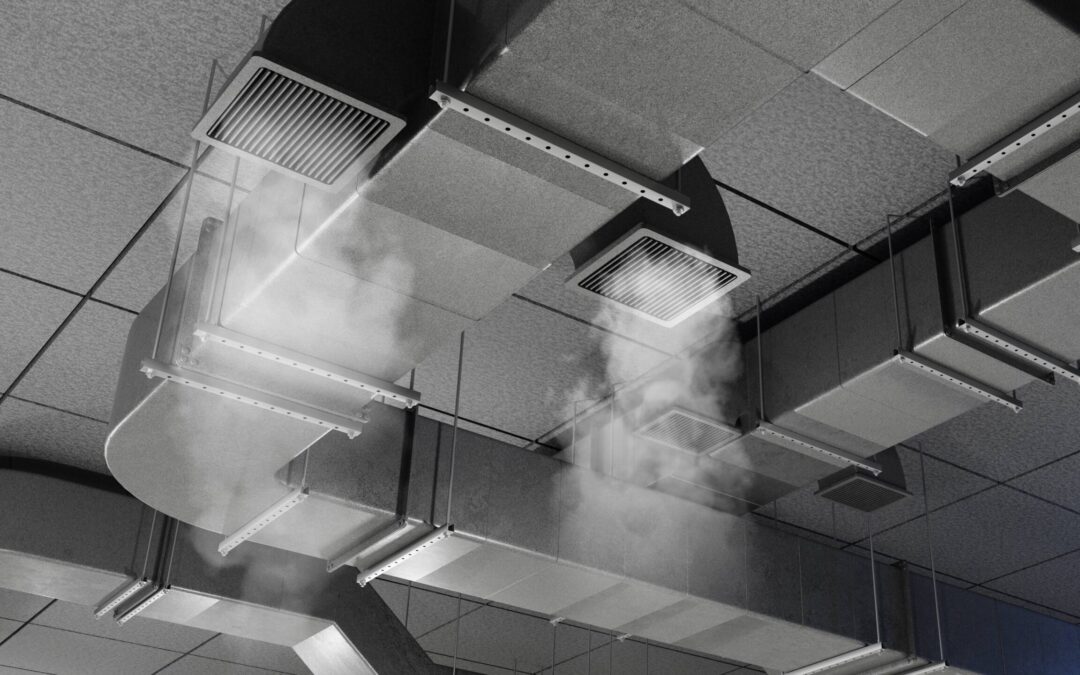
Indoor air quality solutions help create healthier homes by reducing airborne pollutants such as dust, pollen, pet dander, mold spores, bacteria, and other contaminants that circulate through your HVAC system. For homeowners in the Dallas-Fort Worth Metroplex, improving indoor air quality can reduce allergy symptoms, enhance comfort, support better respiratory health, and improve the overall performance of your heating and cooling system. A combination of proper HVAC maintenance, high-quality air filtration, humidity control, and ventilation can make a noticeable difference in the air your family breathes every day.
Many homeowners focus on keeping their homes clean, but indoor air quality often goes unnoticed until problems arise. Dust that settles quickly after cleaning, lingering odors, seasonal allergies, and excessive humidity can all be signs that the air inside your home contains pollutants that your HVAC system isn’t effectively removing.
The Environmental Protection Agency (EPA) notes that indoor air can sometimes contain higher concentrations of pollutants than outdoor air, making indoor air quality an important part of maintaining a healthy home. Because most people spend a significant amount of time indoors, cleaner indoor air contributes to improved comfort and overall well-being.
For homeowners throughout the DFW Metroplex, investing in indoor air quality improvements is not only about breathing cleaner air. It also helps protect your HVAC system, improve energy efficiency, and create a more comfortable living environment throughout every season.
Why Indoor Air Quality Matters
Your HVAC system does more than heat and cool your home. Every time it operates, it circulates air through each room. If that air contains dust, pollen, mold spores, pet dander, or other contaminants, those particles continue circulating until they are properly filtered or removed. Working with an experienced HVAC Contractor in North Texas can help ensure your system is properly maintained and equipped with the right indoor air quality solutions to keep the air in your home cleaner and healthier.
North Texas presents unique challenges for indoor air quality. Long allergy seasons, high pollen counts, fluctuating humidity levels, and frequent HVAC use all contribute to the buildup of airborne pollutants inside homes. Since many homeowners keep windows and doors closed during extreme temperatures, contaminants can remain trapped indoors for extended periods.
Poor indoor air quality may contribute to several common issues, including:
- Frequent allergy symptoms
- Sneezing and coughing
- Dry or irritated eyes
- Asthma flare-ups
- Persistent dust accumulation
- Unpleasant odors
- Poor sleep quality
- General respiratory discomfort
While these symptoms can have many causes, improving indoor air quality often helps create a healthier indoor environment for everyone in the home.
Common Sources of Indoor Air Pollution
Many homeowners are surprised to learn how many pollutants can enter or develop inside their homes. Some originate outdoors, while others come from everyday household activities and building materials. Over time, these pollutants can also affect your HVAC system’s performance, which is why regular maintenance can help reduce unnecessary wear and lower the likelihood of needing unexpected AC Repair Services.
Dust and Household Debris
Dust is one of the most common indoor pollutants. It consists of tiny particles including dirt, fabric fibers, skin cells, pollen, and other microscopic debris. As your HVAC system circulates air, these particles move throughout your home unless they are captured by an effective air filtration system.
Regular dusting helps, but without proper HVAC filtration, dust continues to recirculate.
Seasonal Pollen
The DFW Metroplex is known for its challenging allergy seasons. Oak, cedar, ragweed, grasses, and other plants produce pollen that easily enters homes through open doors, windows, shoes, clothing, and even pets.
Once inside, pollen can remain airborne and continue circulating through your HVAC system, triggering allergy symptoms for sensitive individuals.
Pet Dander
Pets are wonderful companions, but they also contribute to indoor air pollution. Pet dander consists of tiny skin flakes that become airborne and are easily carried throughout the home.
Homes with multiple pets often require more frequent filter replacements and improved air filtration to maintain healthier indoor air.
Mold and Mildew
Moisture is one of the biggest contributors to indoor air quality problems. High humidity levels or hidden water leaks can encourage mold growth inside walls, around windows, within ductwork, or inside HVAC components such as the evaporator coil and condensate drain.
Mold spores can become airborne and circulate throughout the home if moisture issues are not addressed promptly.
Volatile Organic Compounds (VOCs)
Many household products release chemicals known as volatile organic compounds, or VOCs. These compounds can come from products such as:
- Paints
- Cleaning supplies
- Air fresheners
- Furniture
- Carpeting
- Building materials
- Adhesives
Although many modern products are manufactured with lower VOC levels, these compounds can still contribute to reduced indoor air quality over time.
Signs Your Home May Need Indoor Air Quality Improvements
Indoor air quality issues are not always obvious. In many cases, homeowners simply become accustomed to certain conditions without realizing cleaner air is possible. If you notice persistent dust, allergy symptoms, or uneven indoor comfort, consulting HVAC Experts Serving the DFW Metroplex for Heating and Cooling solutions can help identify underlying air quality issues and recommend improvements that support a healthier home.
Some common warning signs include excessive dust buildup, allergy symptoms that improve when leaving home, musty odors, uneven humidity, stale indoor air, or HVAC filters that become dirty unusually quickly.
If you notice any of these signs on a regular basis, it may be time to evaluate your home’s indoor air quality and identify potential improvements.
Replace HVAC Air Filters Regularly
One of the simplest and most effective ways to improve indoor air quality is replacing your HVAC air filter on a regular schedule.
Air filters are designed to capture airborne contaminants before they circulate throughout your home. Over time, however, filters become clogged with dust, dirt, pollen, and pet hair. A dirty filter restricts airflow, reduces HVAC efficiency, and allows more contaminants to remain in the indoor environment.
Most homeowners should inspect their air filters every month, particularly during periods of heavy heating or cooling use. Depending on the filter type, occupancy, and whether pets are present, replacement is generally recommended every one to three months.
Choosing the appropriate filter is equally important. While inexpensive filters capture larger particles, higher-efficiency filters can remove much smaller airborne contaminants without significantly restricting airflow when properly matched to your HVAC system.
Upgrade Your Home’s Air Filtration System
Standard disposable air filters provide basic protection, but they may not capture the smallest particles that affect indoor air quality.
Many homeowners choose to upgrade to advanced filtration systems that work with their existing HVAC equipment. Depending on your home’s needs, these options may include high-efficiency media filters, electronic air cleaners, or filtration systems designed to capture finer airborne particles.
Improved filtration can help reduce dust accumulation, minimize allergens, and create cleaner indoor air throughout the entire home.
However, selecting the right filtration system is important. Filters that are too restrictive may reduce airflow if they are not compatible with your HVAC equipment. A qualified HVAC professional can recommend the best filtration solution based on your home’s size, your system’s specifications, and your family’s indoor air quality concerns.
Consider a Whole-Home Air Purification System
While portable air purifiers can improve air quality in individual rooms, a whole-home air purification system treats the air as it circulates through your HVAC system.
These systems continuously clean the air moving throughout your home, helping reduce airborne pollutants in every room rather than a single area.
Whole-home air purification systems may help reduce:
- Dust
- Pollen
- Pet dander
- Mold spores
- Smoke particles
- Certain bacteria
- Household odors
For families dealing with allergies, asthma, or respiratory sensitivities, whole-home air purification can provide cleaner indoor air while working quietly in the background without the need for multiple portable units.
Professional installation also ensures the purification system is properly integrated with your home’s heating and cooling equipment for optimal performance.
UV Air Purification for Cleaner Indoor Air
Another effective way to improve indoor air quality is by installing a UV air purification system. Ultraviolet (UV) lights are typically installed inside the HVAC system near the evaporator coil or within the air handler, where they help reduce the growth of microorganisms on internal components.
Moisture inside an HVAC system can create an environment where mold, mildew, and bacteria may develop over time. UV technology helps limit the growth of these contaminants before they have a chance to spread throughout your home.
While UV lights are not a replacement for air filters, they complement your overall indoor air quality strategy by helping keep critical HVAC components cleaner. A cleaner system often operates more efficiently while contributing to healthier indoor air.
Maintain Proper Indoor Humidity Levels
Humidity has a significant impact on both comfort and indoor air quality.
During certain times of the year, North Texas homes can experience excessive indoor humidity, while winter months may bring air that feels unusually dry. Both situations can affect your family’s comfort and the performance of your HVAC system.
High humidity may lead to:
- Mold and mildew growth
- Increased dust mites
- Musty odors
- Sticky indoor conditions
- Reduced cooling efficiency
On the other hand, air that is too dry can cause:
- Dry skin
- Irritated eyes
- Sore throats
- Static electricity
- Cracked wood flooring or furniture
Most experts recommend maintaining indoor humidity between 30% and 50% for optimal comfort and air quality.
Depending on your home’s needs, whole-home humidifiers or dehumidifiers can help regulate moisture levels throughout the house. Unlike portable units, these systems work with your HVAC equipment to provide consistent humidity control in every room.
Keep Your HVAC System Well Maintained
Routine HVAC maintenance is one of the most important steps in maintaining healthy indoor air.
Over time, dirt, dust, and debris accumulate inside your heating and cooling system. If left unchecked, these contaminants can reduce airflow, lower efficiency, and circulate unwanted particles throughout your home. Regular maintenance helps keep your system operating efficiently and may reduce the risk of unexpected issues that could require a Heater Repair Service during colder months.
Professional maintenance typically includes:
- Inspecting and replacing air filters
- Cleaning evaporator and condenser coils
- Inspecting blower components
- Clearing condensate drain lines
- Checking airflow
- Inspecting electrical connections
- Testing system performance
Regular maintenance not only improves indoor air quality but also helps extend the lifespan of your HVAC system and reduces the likelihood of unexpected repairs.
For homeowners in the DFW Metroplex, scheduling HVAC maintenance before the cooling and heating seasons helps ensure your system operates efficiently year-round.
Improve Ventilation Throughout Your Home
Many modern homes are built to be highly energy efficient. While this helps reduce heating and cooling costs, it also limits the amount of fresh outdoor air entering the home.
Without adequate ventilation, indoor pollutants can become trapped inside and continue circulating through your living spaces.
Proper ventilation helps remove stale indoor air while introducing fresh outdoor air in a controlled manner. This exchange improves overall air quality and can help reduce the concentration of airborne contaminants.
Depending on your home’s design and HVAC system, ventilation improvements may include fresh air intake systems or energy recovery ventilators that provide fresh air without significantly affecting energy efficiency.
A professional HVAC technician can recommend ventilation options that work best for your home while maintaining indoor comfort.
Inspect and Seal Your Air Ducts
Your ductwork serves as the delivery system for heated and cooled air throughout your home.
If ducts develop leaks or become damaged, they may allow dust, insulation particles, attic debris, and other contaminants to enter the airflow before being distributed into your living spaces. Addressing these issues early through professional Duct Repair Services can help improve indoor air quality, restore proper airflow, and increase your HVAC system’s overall efficiency.
Leaky ductwork can also reduce HVAC efficiency by allowing conditioned air to escape before it reaches the intended rooms.
A professional duct inspection can identify issues such as:
- Air leaks
- Loose connections
- Damaged duct sections
- Restricted airflow
- Excessive dust buildup
Sealing and repairing ductwork helps improve airflow, increase system efficiency, and reduce the amount of airborne debris entering your home’s indoor environment.
Simple Habits That Support Better Indoor Air Quality
While professional HVAC solutions make a significant difference, homeowners can also improve indoor air quality through everyday habits.
Regular cleaning helps reduce dust and allergens before they accumulate. Vacuuming with a HEPA-filter vacuum, dusting with microfiber cloths, and washing bedding frequently all help minimize airborne particles.
Pet owners can improve air quality by grooming pets regularly and cleaning pet bedding often.
Other helpful practices include:
- Keeping vents free of furniture and obstructions
- Using exhaust fans while cooking
- Running bathroom ventilation fans after showers
- Avoiding indoor smoking
- Choosing low-VOC paints and cleaning products
- Fixing water leaks promptly
- Keeping the area around outdoor HVAC equipment free from debris
These simple habits work together with your HVAC system to maintain cleaner indoor air throughout the year.
Benefits of Improving Indoor Air Quality
Investing in indoor air quality solutions offers benefits that go beyond simply reducing dust.
Many homeowners notice improvements in both comfort and overall well-being after addressing indoor air quality concerns.
Some of the most common benefits include:
- Cleaner indoor air throughout the home
- Reduced allergy and asthma triggers
- Less dust accumulation on furniture and surfaces
- Improved HVAC efficiency
- More consistent indoor comfort
- Better humidity control
- Reduced household odors
- Longer HVAC system lifespan
- Healthier living conditions for the entire family
For households with young children, older adults, or individuals with allergies or respiratory conditions, cleaner indoor air can contribute to a more comfortable and enjoyable home environment.
Choosing the Right Indoor Air Quality Solution
No two homes are exactly alike, which means there is no single solution that works for everyone.
The most effective indoor air quality improvements depend on several factors, including:
- The age of your home
- Existing HVAC equipment
- Indoor humidity levels
- Presence of pets
- Family members with allergies or asthma
- Ventilation design
- Filter efficiency
- Local environmental conditions
A professional indoor air quality assessment can help identify the specific factors affecting your home’s air and recommend solutions that fit your needs and budget.
Rather than relying on guesswork, an evaluation allows homeowners to prioritize improvements that provide the greatest long-term benefit.
Breathe Easier with a Healthier Home
Indoor air quality plays an essential role in creating a comfortable and healthy living environment. While dust, pollen, humidity, and other airborne pollutants are common in homes throughout the DFW Metroplex, they can often be managed with the right combination of filtration, humidity control, ventilation, and routine HVAC maintenance.
Improving your home’s air quality is an investment in your family’s comfort and your HVAC system’s performance. Cleaner air can help reduce allergens, improve energy efficiency, and create a healthier indoor environment throughout every season.
If you’re looking for Trusted HVAC Experts Serving the DFW Metroplex, Angels Air Home Services offers professional indoor air quality solutions, HVAC maintenance, and system evaluations to help homeowners enjoy cleaner, healthier air. Whether you need improved filtration, humidity control, or a whole-home air purification system, our experienced team can recommend solutions tailored to your home’s unique needs.
Frequently Asked Questions
What are indoor air quality solutions?
Indoor air quality solutions are products and services designed to reduce airborne pollutants inside your home. Common solutions include high-efficiency air filters, whole-home air purifiers, UV air purification systems, humidity control equipment, improved ventilation, duct sealing, and routine HVAC maintenance.
How can I tell if my home’s indoor air quality needs improvement?
Common signs include excessive dust, lingering odors, allergy symptoms that worsen indoors, uneven humidity, frequent respiratory irritation, and HVAC filters that become dirty quickly. A professional indoor air quality assessment can identify the underlying causes and recommend appropriate solutions.
Does replacing my HVAC air filter improve indoor air quality?
Yes. A clean air filter helps capture dust, pollen, pet dander, and other airborne particles before they circulate throughout your home. Replacing filters regularly also helps your HVAC system operate more efficiently.
Are whole-home air purifiers better than portable air purifiers?
Portable air purifiers treat the air in a single room, while whole-home air purifiers work with your HVAC system to improve air quality throughout the entire house. The best option depends on your home’s size, your indoor air quality concerns, and your overall comfort goals.
How often should I schedule HVAC maintenance to support better indoor air quality?
Most homeowners should schedule professional HVAC maintenance twice a year, typically in the spring before the cooling season and in the fall before the heating season. Regular maintenance helps keep your system clean, operating efficiently, and circulating healthier indoor air year-round.