
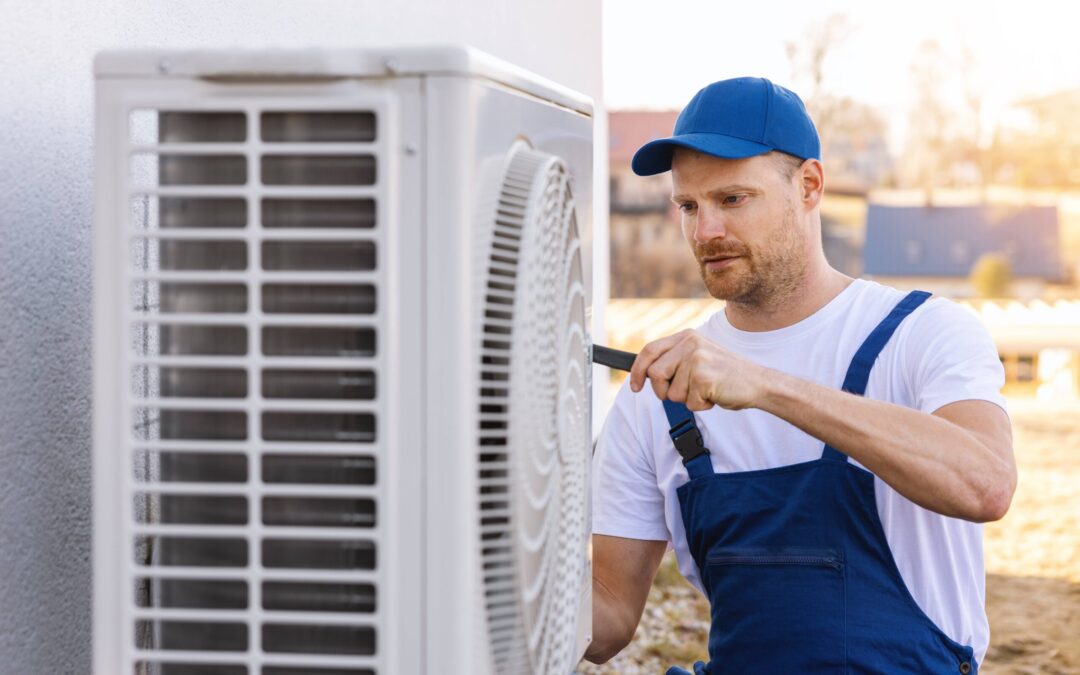
Your heating and cooling system is one of the hardest-working systems in your home. In the Dallas-Fort Worth Metroplex, where summers bring intense heat and winters can still produce chilly temperatures, your HVAC system works year-round to keep your family comfortable. Over time, even a well-maintained unit will begin to lose efficiency, require more repairs, and struggle to maintain consistent indoor temperatures. When that happens, turning to Trusted HVAC Experts Serving the DFW Metroplex can help you determine whether a repair or a complete system replacement is the best solution for your home’s comfort and energy efficiency.
Knowing when to repair your HVAC system and when to replace it can save you money, improve energy efficiency, and prevent unexpected breakdowns during extreme weather.
In this guide, we’ll explain the signs that it’s time to consider HVAC Installation and Replacement in the DFW Metroplex, the benefits of upgrading to a modern system, and what homeowners should expect during the replacement process.
How Long Does an HVAC System Last?
The lifespan of an HVAC system depends on several factors, including the quality of the equipment, installation, maintenance, and how often the system is used.
On average:
- Air conditioners typically last 10 to 15 years.
- Furnaces often last 15 to 20 years.
- Heat pumps generally last 10 to 15 years.
Because HVAC systems in North Texas operate for long periods during hot summers, they may experience more wear and tear than systems in milder climates.
If your unit is approaching the end of its expected lifespan, it’s a good idea to schedule a professional evaluation to determine whether replacement is the most cost-effective option.
Signs It’s Time to Replace Your HVAC System
Not every HVAC problem requires a complete replacement. However, there are several warning signs that may indicate your system is no longer performing efficiently.
1. Your Energy Bills Keep Increasing
Have you noticed your monthly utility bills climbing even though your energy usage hasn’t changed?
Older HVAC systems become less efficient over time, forcing them to work harder to cool or heat your home.
An inefficient system may:
- Run longer cooling cycles
- Consume more electricity
- Struggle to maintain the thermostat setting
- Increase monthly operating costs
Replacing an outdated system with a high-efficiency model can help reduce energy consumption while improving indoor comfort.
2. Frequent Repairs Are Becoming Expensive
Every HVAC system requires occasional maintenance and repairs.
However, if you’re calling for repairs multiple times each year, those costs can quickly add up.
Common recurring issues include:
- Refrigerant leaks
- Blower motor failures
- Compressor problems
- Electrical issues
- Thermostat malfunctions
When repair costs continue to increase, investing in a new system may provide greater long-term value.
3. Uneven Temperatures Throughout Your Home
Do some rooms feel comfortable while others remain too hot or too cold?
Uneven temperatures can result from:
- Aging HVAC equipment
- Improper system sizing
- Airflow restrictions
- Failing components
- Ductwork issues
A properly designed and professionally installed HVAC system helps deliver more consistent temperatures throughout your home.
4. Poor Indoor Air Quality
Your HVAC system plays an important role in maintaining healthy indoor air.
If your home feels dusty, humid, or develops persistent odors, your aging HVAC equipment may no longer be providing adequate air circulation or humidity control.
A newer system can improve:
- Air filtration
- Humidity management
- Air circulation
- Overall indoor comfort
This is especially beneficial for households with allergy or asthma concerns.
5. Your HVAC System Runs Constantly
It’s normal for your air conditioner to work harder during a Texas summer.
However, if your system rarely shuts off or struggles to reach the desired temperature, it may no longer have the capacity or efficiency to keep up with your home’s cooling demands.
Continuous operation places additional stress on system components and may shorten the lifespan of the equipment.
6. Strange Noises or Unusual Smells
Your HVAC system should operate relatively quietly.
If you hear:
- Grinding
- Banging
- Squealing
- Rattling
- Buzzing
or notice burning or musty odors, these could indicate worn or failing components.
Some issues can be repaired, while others may signal that replacement is the better long-term solution.
Why Upgrading Your HVAC System Matters
Replacing an aging HVAC system isn’t just about avoiding breakdowns. A modern system offers several important advantages that improve both comfort and efficiency.
Improved Energy Efficiency
One of the biggest reasons homeowners upgrade their HVAC systems is to reduce energy consumption.
Modern systems are designed with advanced technology that allows them to cool and heat homes more efficiently than older equipment.
Benefits include:
- Lower monthly utility bills
- Improved temperature control
- Reduced energy waste
- Better system performance
Over time, improved efficiency can help offset part of the initial investment.
Better Indoor Comfort
Older HVAC systems often struggle to maintain consistent temperatures, especially during periods of extreme weather.
A properly sized replacement system provides:
- More even temperatures
- Faster cooling and heating
- Improved humidity control
- Quieter operation
These improvements create a more comfortable living environment throughout every season.
Increased Reliability
No homeowner wants to lose air conditioning during a North Texas heatwave.
New HVAC systems are less likely to experience unexpected breakdowns because all major components begin their service life at the same time.
With routine maintenance, many modern systems provide years of dependable operation.
Smart Home Compatibility
Many newer HVAC systems can be paired with smart thermostats that allow homeowners to:
- Adjust temperatures remotely
- Create energy-saving schedules
- Monitor system performance
- Receive maintenance reminders
These features provide added convenience while helping optimize energy usage.
Repair or Replace: How Do You Decide?
One of the most common questions homeowners ask is whether it’s better to repair their current HVAC system or replace it altogether.
In many cases, repairs are the right solution when:
- The system is relatively new.
- The repair is minor.
- Maintenance has been performed regularly.
- The equipment is still operating efficiently.
Replacement may be the better investment when:
- The system is over 10 to 15 years old.
- Repairs are becoming frequent.
- Energy bills continue to rise.
- Your home never feels comfortable.
- Major components have failed.
A professional inspection can help you determine which option provides the greatest long-term value based on your home’s needs and your budget.
What to Consider Before Replacing Your HVAC System
Every home has unique heating and cooling requirements.
Before selecting a new system, several factors should be evaluated, including:
- Home size
- Insulation levels
- Window placement
- Number of occupants
- Existing ductwork
- Energy efficiency goals
- Budget
Choosing the right system isn’t simply about buying the largest unit. Proper sizing is essential for achieving maximum comfort, efficiency, and long-term performance.
What to Expect During an HVAC Installation
Replacing your HVAC system is a significant home improvement project, but it’s not always the only solution. Before recommending a replacement, experienced HVAC contractors often evaluate whether AC Repair Services can safely and cost-effectively restore your system’s performance. If replacement is the best option, they’ll help ensure the installation process is smooth, efficient, and tailored to your home’s heating and cooling needs.
Here’s what homeowners can typically expect during an HVAC installation.
1. In-Home System Evaluation
Every home has unique heating and cooling requirements. Before recommending a replacement system, an HVAC technician will evaluate factors such as:
- Square footage
- Insulation levels
- Existing ductwork
- Number of windows
- Ceiling height
- Household occupancy
- Current system performance
This assessment helps determine the correct system size and capacity for your home.
2. Selecting the Right HVAC System
Choosing the right HVAC system involves more than simply replacing your existing unit.
Your technician may discuss options such as:
- High-efficiency air conditioners
- Heat pumps
- Gas furnaces
- Variable-speed systems
- Smart thermostats
- Indoor air quality upgrades
The goal is to recommend a system that delivers reliable comfort while meeting your home’s heating and cooling needs.
3. Removal of the Existing Equipment
Before installing the new equipment, the old HVAC system is carefully disconnected and removed.
This process may include:
- Removing the outdoor condenser
- Disconnecting the indoor air handler or furnace
- Recovering refrigerant according to environmental regulations
- Inspecting electrical connections
- Evaluating ductwork for any necessary repairs
Removing outdated equipment also provides an opportunity to identify hidden issues that could affect the performance of your new system.
4. Installation and System Testing
Once the new equipment is in place, the HVAC technicians connect and test every component to ensure the system operates correctly.
This typically includes:
- Installing the indoor and outdoor units
- Connecting refrigerant lines
- Verifying electrical connections
- Calibrating the thermostat
- Testing airflow
- Checking refrigerant levels
- Confirming proper system operation
Before the project is complete, the technicians perform a final inspection to ensure everything is functioning safely and efficiently.
Choosing the Right HVAC System for Your Home
Selecting the right HVAC system can improve comfort, lower operating costs, and extend the lifespan of your equipment.
When comparing systems, consider the following.
Energy Efficiency Ratings
Higher-efficiency systems use less energy to heat and cool your home, which may help reduce monthly utility costs over time.
Your HVAC professional can explain efficiency ratings and recommend options based on your home’s needs and budget.
Proper System Size
An oversized HVAC system may cool your home too quickly without removing enough humidity.
An undersized system may run continuously while struggling to maintain comfortable temperatures.
Proper sizing is essential for maximizing comfort, efficiency, and equipment lifespan.
Indoor Air Quality Features
Many modern HVAC systems can be paired with additional indoor air quality solutions, including:
- High-efficiency air filtration
- Whole-home air purifiers
- UV air purification systems
- Humidity control equipment
These upgrades can help improve indoor comfort while reducing airborne contaminants.
Benefits of Professional HVAC Installation
Even the highest-quality HVAC equipment depends on proper installation to deliver reliable performance.
Professional installation offers several advantages.
Improved System Performance
Correct installation helps ensure your new HVAC system operates as efficiently as possible from day one.
Lower Energy Costs
A properly installed system experiences less strain, allowing it to operate more efficiently and helping reduce energy consumption.
Longer Equipment Lifespan
Correct airflow, refrigerant levels, and system calibration help reduce unnecessary wear on major components.
Manufacturer Warranty Protection
Many manufacturers require professional installation to maintain warranty coverage.
Hiring a qualified HVAC contractor helps protect your investment.
How to Extend the Life of Your New HVAC System
Once your new HVAC system is installed, regular maintenance is essential for protecting its performance.
Replace Air Filters Regularly
Dirty air filters restrict airflow, forcing your HVAC system to work harder than necessary.
Changing filters according to the manufacturer’s recommendations helps improve airflow and efficiency.
Schedule Annual HVAC Maintenance
Professional maintenance helps identify minor issues before they become costly repairs.
Routine service often includes:
- Cleaning coils
- Inspecting electrical components
- Checking refrigerant levels
- Testing system performance
- Lubricating moving parts
- Verifying thermostat accuracy
Preventive maintenance can improve reliability and extend the life of your equipment.
Keep the Outdoor Unit Clean
Leaves, grass clippings, and debris can restrict airflow around the outdoor condenser.
Keeping the area clear allows the system to operate more efficiently.
Pay Attention to Warning Signs
If you notice unusual noises, inconsistent temperatures, weak airflow, or higher-than-normal energy bills, schedule an inspection before a small problem develops into a larger repair.
Why Homeowners Choose Angels Air Home Services
Replacing an HVAC system is a major investment, and choosing the right contractor is just as important as selecting the right equipment.
At Angels Air Home Services, we believe homeowners deserve honest recommendations, quality workmanship, and dependable service. We never recommend replacing equipment that can be repaired, and we’ll never sell you something you don’t need.
Our experienced technicians help homeowners throughout the Dallas-Fort Worth Metroplex select heating and cooling solutions that match their home’s size, comfort goals, and budget.
Whether you need a complete HVAC replacement, a high-efficiency system installation, or expert advice about your existing equipment, our team is committed to providing professional service and lasting comfort.
Frequently Asked Questions
How do I know if my HVAC system should be replaced?
If your system is more than 10 to 15 years old, requires frequent repairs, struggles to maintain comfortable temperatures, or causes rising energy bills, it may be time to consider a replacement. A professional inspection can help determine the most cost-effective solution.
Is it better to repair or replace an older HVAC system?
The answer depends on the age of the equipment, the cost of repairs, and its overall condition. If major components are failing or repairs are becoming frequent, replacing the system often provides better long-term value.
How long does HVAC installation take?
Most residential HVAC installations can be completed within a day, although larger or more complex projects may require additional time depending on the equipment and any ductwork modifications.
Will a new HVAC system lower my energy bills?
Many homeowners notice lower utility costs after replacing an older, inefficient system with a properly sized high-efficiency model. The exact savings depend on your home’s insulation, energy usage, and the efficiency of the new equipment.
Should I replace both the indoor and outdoor units at the same time?
In most cases, yes. Replacing both components together ensures compatibility, improves efficiency, and helps maximize system performance and warranty coverage.
How often should I have my HVAC system serviced?
Most manufacturers recommend professional maintenance at least once a year. Many homeowners schedule service before the cooling season and again before the heating season to help keep their systems operating efficiently.
Upgrade Your Comfort with Confidence
Knowing when it’s time for HVAC Installation and Replacement in the DFW Metroplex can help you avoid unexpected breakdowns, improve energy efficiency, and create a more comfortable home throughout the year. If your current system is aging, requiring frequent repairs, or no longer keeping up with your heating and cooling needs, upgrading to a modern HVAC system can provide lasting value and peace of mind.
For more expert advice on heating, cooling, maintenance, and energy-efficient home comfort solutions, explore our HVAC Experts Serving the DFW Metroplex guide. It’s filled with practical resources to help homeowners make informed decisions about their HVAC systems.
If you’re considering replacing your HVAC system, contact Angels Air Home Services today. Our experienced team proudly serves homeowners throughout the Dallas-Fort Worth Metroplex with honest recommendations, professional installations, and reliable service designed to keep your home comfortable in every season.