
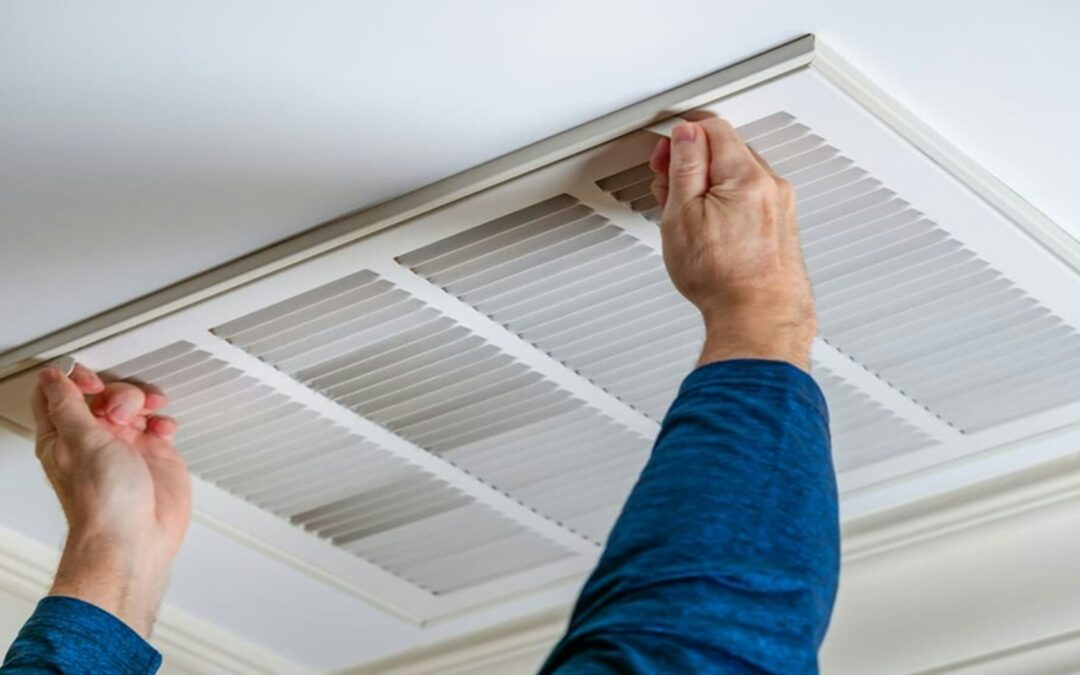
Breathe Easier at Home with Cleaner Air Ducts
Indoor air quality matters a lot when the house is closed up and the AC is running all day. In our Arizona heat, most of us spend a lot of time inside, with the same air cycling through our HVAC system again and again. If that air is clean, your home feels fresh and comfortable. If it is not, you can end up with dust, odors, and irritated allergies.
Air moves through your ducts every time your system runs. Whatever is inside those ducts has a chance to get pushed back into your rooms. That is why people talk about duct cleaning so much. The truth is, duct cleaning is not a magic fix for every problem, but in the right situations, it can make a real difference in how your air smells and feels.
At Angels Air Home Services, we focus on honest, practical solutions. We recommend duct cleaning only when it actually helps your home or business, not as an automatic add-on. Knowing when it matters is the key.
What Really Lives Inside Your Air Ducts
Air ducts are hidden, but they are not empty. Over time, different particles collect inside them, especially in a dry, dusty place like Arizona. Even with a decent filter, some things still slip through.
Common things that can end up inside ducts include:
- Fine Arizona dust from outside
- Pet hair and dander that ride along with the airflow
- Pollen that gets pulled in when doors and windows open
- Construction debris like drywall dust and sawdust after a remodel
In summer, your AC may run for long stretches. That means more air moving through the system and more chances for loose dust to break free and move into your rooms. A light dust film on metal duct walls is normal and often does not affect air quality much. Heavy buildup, clumps, or layers of debris are different. That is when particles can blow out of vents or start to restrict airflow.
Moisture makes things worse. If there is a roof leak, condensation problem, or water issue in an attic or crawlspace, that dampness can reach the ductwork. Combined with dust, it can create a spot where mold or bacteria may grow. Poor or missing filtration can add to the problem, letting more organic material enter the ducts.
When Duct Cleaning Actually Makes a Difference
Duct cleaning matters most when there is a clear sign of trouble, not just as a routine chore. There are several situations where a professional cleaning can truly help indoor air quality.
You may want a duct inspection and possible cleaning if you notice:
- Visible dust puffs coming from vents when the system starts
- A musty or burnt smell whenever the AC or heat kicks on
- Fine white or gray dust on furniture soon after you clean
- Recent remodeling or construction that created a lot of fine dust
Health and comfort can be clues too. If someone in your home has asthma, allergies, or a sensitive respiratory system, pay attention to when symptoms flare. If coughing, sneezing, or eye irritation seems worse when the system is running and better when it is off, dirty ducts might be part of the issue.
Other red flags include:
- Signs of pests in the ducts, such as droppings or nesting material
- Dark or fuzzy patches inside vents that might be mold or other growth
- Very inconsistent airflow from room to room that might be caused by debris
A trustworthy HVAC contractor will not just guess. They should inspect first, sometimes with cameras or photos, and then recommend duct cleaning only if they confirm buildup or contamination. Cleaning should also be part of a bigger plan that includes fixing the moisture source, sealing gaps, or improving filtration.
How Professional Duct Cleaning Works and What to Expect
A proper duct cleaning visit is more than someone sticking a shop vacuum into a vent. It is a planned process that is designed to pull dust out of the ducts without spreading it through your home.
A typical professional visit, often includes:
- A visual inspection of ducts, vents, and air handler
- Photos or video to show you what is inside
- Setting up a strong, sealed vacuum system on the ductwork
- Using brushes or air tools to dislodge debris while the system is under negative pressure
Negative pressure means the vacuum is constantly pulling air and particles out of the ducts while they are being brushed. That way, dust does not escape into your rooms. Good equipment usually includes HEPA filtration and sealed hoses, which help trap fine particles instead of blowing them back out.
During a thorough job, a technician may clean:
- Supply ducts that deliver conditioned air into rooms
- Return ducts that pull air back to the system
- Registers and grilles where buildup often shows
- The blower compartment and parts of the air handler housing when appropriate
It is important to have realistic expectations. Duct cleaning helps when ducts are actually dirty, but it will not fix every comfort problem by itself. Pairing clean ducts with a quality filter, regular HVAC maintenance, and good humidity control gives you much better long-term air quality.
Smart Ways to Keep Ducts Cleaner Between Visits
Once ducts are clean, the goal is to keep them that way for as long as possible. A few smart habits can slow down how quickly dust and debris build back up.
Filter care is one of the biggest helpers. Make it a habit to:
- Check your HVAC filter regularly and replace it at the recommended interval
- Ask an HVAC pro which filter type makes sense for your system and air quality needs
- Avoid running the system with a clogged or missing filter
Simple home habits can also support cleaner ducts:
- Keep supply and return vents open and unblocked by furniture
- Use a vacuum with HEPA filtration to pick up fine dust from floors and surfaces
- Control indoor humidity so you are not creating a damp environment around ducts
Regular HVAC maintenance ties it all together. During tune-ups, a technician can clean indoor and outdoor coils, look for duct leaks, and confirm that airflow is where it should be. If they catch small issues early, like gaps in ductwork or dirt starting to collect in the blower area, it can prevent bigger problems later.
For homes where allergies, asthma, or sensitivities are a major concern, indoor air quality add-ons may help. Depending on the setup, that might include air purifiers that work with the HVAC system or UV lights near the indoor coil to help with certain microbial growth. These are not replacements for duct cleaning but can work alongside it.
How to Know It’s Time to Call Angels Air Home Services
It can be hard to tell from the living room couch what is really going on inside your ductwork. A simple checklist can help you decide when it is worth getting the system checked by a professional.
Watch for signs like:
- Unusual dust collecting quickly around vents or on nearby walls
- Persistent musty, smoky, or burnt smells when the AC starts up
- Recent construction, flooring replacement, or drywall work in the home
- A family member’s allergy or asthma symptoms getting worse when the system is running
When these clues show up together, it is a good idea to have a duct inspection instead of guessing. At Angels Air Home Services, we believe in pressure-free evaluations, so our focus is on showing you what we see and explaining your options clearly. Sometimes the answer is duct cleaning, sometimes it is a filter upgrade, sealing ducts, or basic maintenance.
Seasonal timing can help too. A mid-summer or early fall checkup gives your HVAC system a chance to run cleaner and more efficiently for the rest of the cooling season and into the next one. With a thoughtful approach to duct cleaning, filtration, and system care, your home can feel more comfortable, and you can breathe a little easier every day.
Breathe Cleaner, Healthier Air In Your Home Today
If you are ready to reduce dust, improve indoor air quality, and help your HVAC system run more efficiently, our team at Angels Air Home Services is here to help. Schedule professional duct cleaning with our experienced technicians and feel the difference in every room. We will walk you through the process, answer your questions, and recommend the best options for your home. To get started or request a quote, simply contact us today.